4-Day Tarangire, Serengeti and Ngorongoro Camping SafariDay 1 of 4
Tanzania · Tailor-Made Safari
4-Day Tarangire, Serengeti and Ngorongoro Camping Safari
4 Days / 3 NightsTarangire National Park, Serengeti National Park, Ngorongoro CraterCamping Safari
A camping safari covering three of northern Tanzania's headline parks in four days, for travellers who would rather put their budget into time in the parks than into lodges. Nights…
A camping safari covering three of northern Tanzania’s headline parks in four days, for travellers who would rather put their budget into time in the parks than into lodges. Nights are spent under canvas at authorised campsites inside or adjoining each park, with all equipment, a cook and full catering provided.
CountriesTanzania
ParksTarangire National Park, Serengeti National Park, Ngorongoro Crater
Duration4 Days / 3 Nights
StyleCamping Safari
Best MonthsJun-Oct, Jan-Feb
FromFrom $751 per person
What you're likely to see
Large elephant herds
Baobabs
Tree-climbing pythons
Wildebeest migration
Lion
Cheetah
Leopard
Black rhino
Elephant
Dense plains game
Wildlife is wild and nothing is guaranteed, but these are the species this route is built around.
The Route
Where This Trip Takes You
The Detail
What's included, and what isn't
Everything below is set out plainly so there are no surprises when you receive your quotation.
What's Included
All game drives in a private 4x4 safari vehicle with pop-up roof
Services of a professional English-speaking driver-guide
All park and reserve entrance fees
Accommodation as specified in the itinerary
Meals as specified in the day by day itinerary
Bottled drinking water throughout the safari
Airport or hotel transfers on arrival and departure
All government taxes and levies
Not Included
International and domestic flights
Kenya or Tanzania visa fees
Travel and medical insurance
Tips and gratuities for your driver-guide and lodge staff
Alcoholic and premium beverages
Optional activities such as hot air balloon safaris and cultural visits
Laundry, telephone and other personal expenses
Day01of 04
Tarangire
Arusha to Tarangire National Park
You'll leave Arusha after breakfast, the drive taking around two and a half hours as the road climbs past Mount Meru's lower slopes before dropping into the dry acacia country around Tarangire. Once through the park gate you'll head straight into an afternoon game drive along the Tarangire River, where the region's famously large elephant herds gather to drink and bathe, often thirty or forty strong. The riverine woodland here is thick with ancient baobabs, and you'll watch for giraffe, impala and the tree-climbing lions the park is known for.
Your camp for the night is set up at an authorised campsite within or on the edge of the park, tents and a full mess setup ready on arrival. Your cook prepares dinner over an open fire while you listen for the grunt of hippos or a distant lion roar carrying across the bush.
Day02of 04
Serengeti
Tarangire to the Serengeti
An early game drive gives you a last look at Tarangire before checkout, with a good chance of spotting elephant family groups moving between the swamps at Silale as the morning cools. After breakfast at camp you'll break camp and set off on the long drive west, skirting Lake Manyara's escarpment and crossing the highland farmland around Karatu before dropping onto the open plains of the Serengeti, roughly five to six hours of driving in total with a stop for lunch en route.
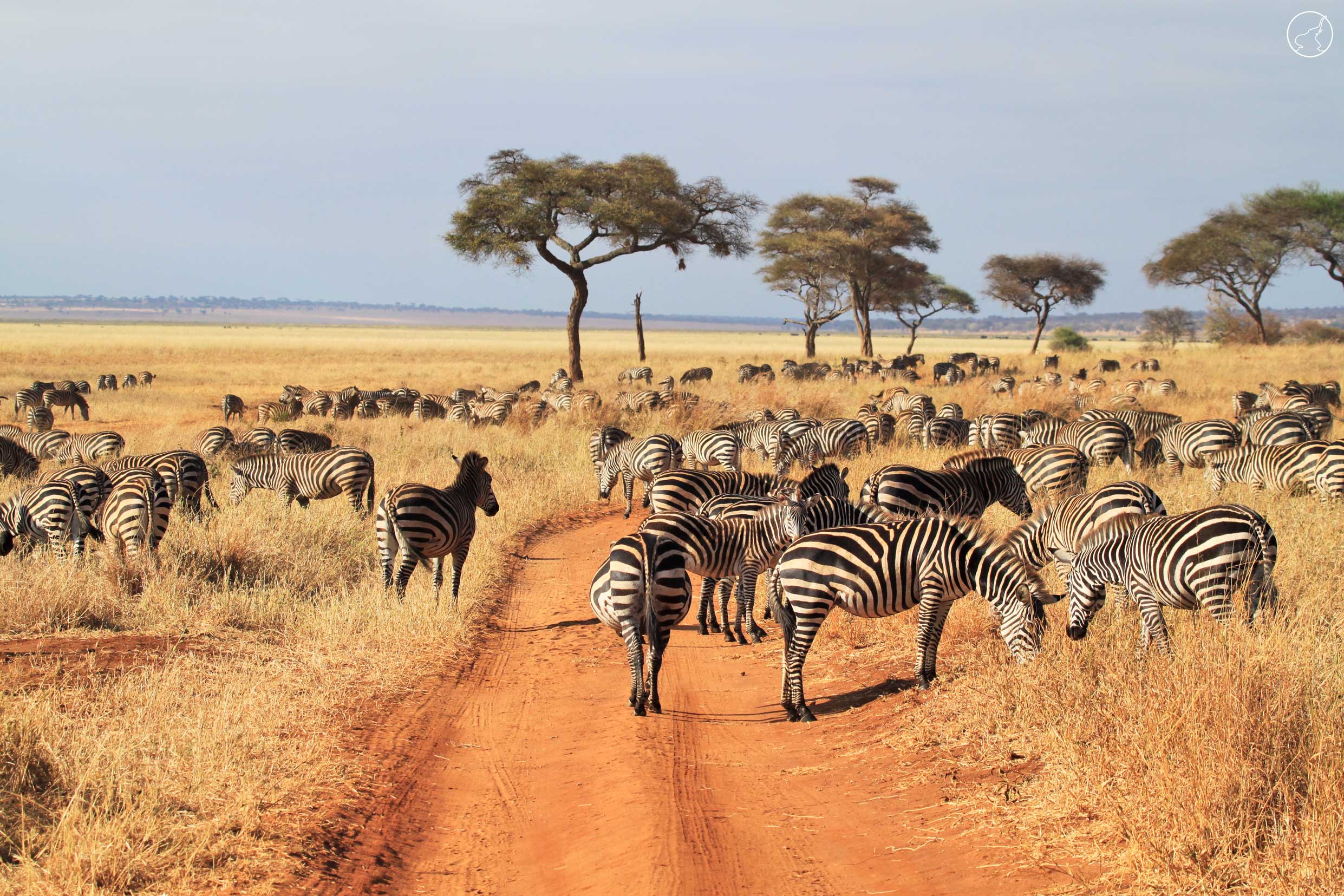
Entering through the Naabi Hill gate, you'll get your first sense of the Serengeti's scale, grassland running flat to the horizon in every direction. A short afternoon game drive on the approach to camp brings you into contact with the resident wildlife, zebra, topi and gazelle are common here, with predators never far behind. You'll camp inside the park at a public or special campsite, canvas walls the only thing between you and the plains at night.
Day03of 04
Ngorongoro
Full Day Serengeti Game Drives
You'll have a full day to explore the Serengeti's central Seronera area, known for its year-round resident game and a strong concentration of predators. Morning and afternoon drives take you through riverine woodland along the Seronera River, prime territory for leopard resting up in the sausage trees, and out onto the open plains where lion prides hold territory and cheetah use termite mounds as lookout points. Your guide will read the terrain for tracks and fresh kills, and time permitting will push out toward whichever area is holding the most activity that day.
Depending on the season you may also come across large numbers of wildebeest and zebra moving through the area as part of their annual migration cycle. You'll return to camp for meals prepared by your cook, with the afternoon light turning the grass gold as you head back in before dusk.
Day04of 04
Ngorongoro
Descend into Ngorongoro Crater
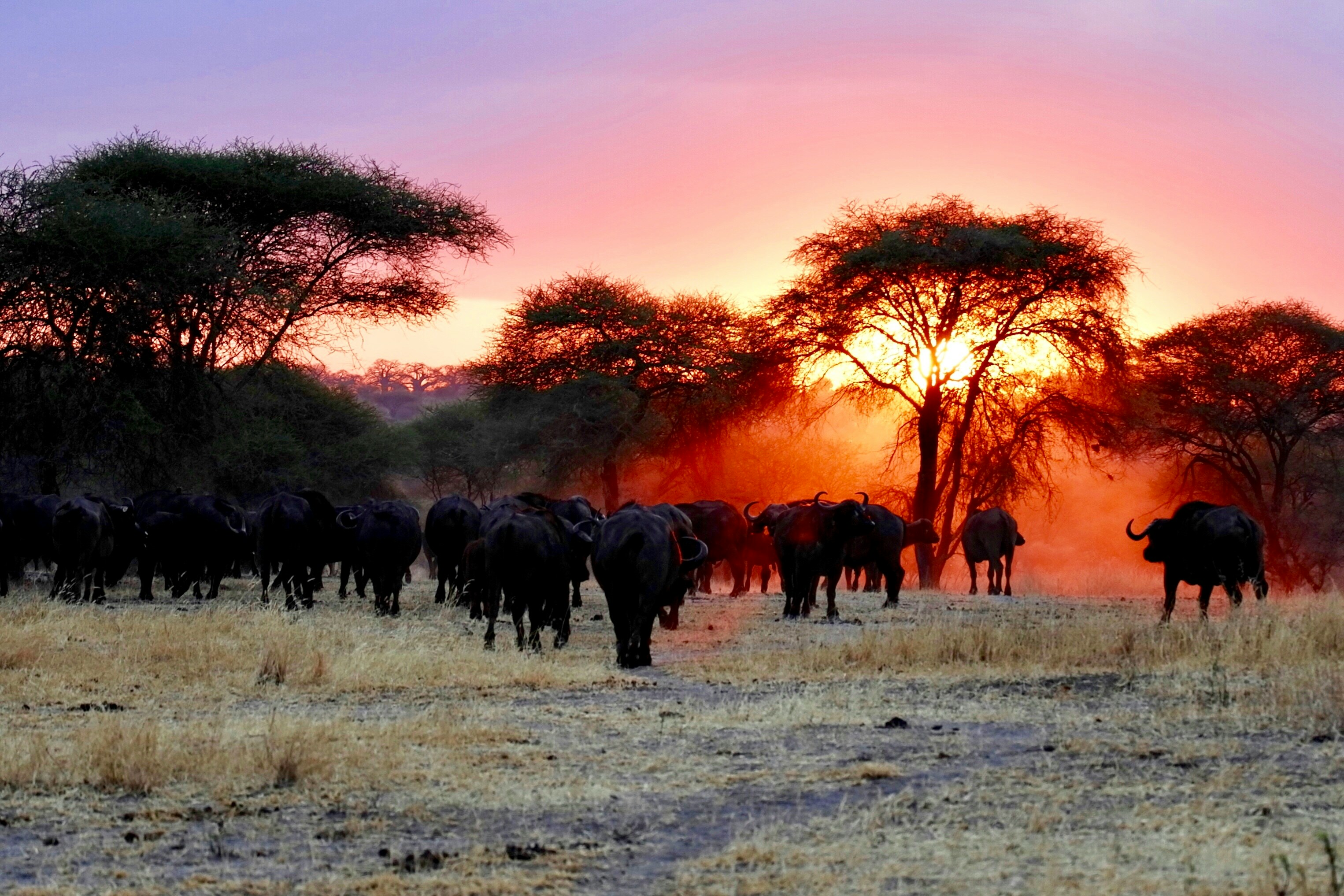
You'll break camp early and drive out of the Serengeti toward the Ngorongoro Conservation Area, climbing back up through Karatu's farmland to the crater rim, a journey of around three hours. From the rim, at over 2,200 metres, you'll descend the steep access road onto the crater floor for a half-day game drive across one of Africa's densest concentrations of wildlife packed into a single caldera. Black rhino, elephant, buffalo and dense lion prides are all resident here, and the alkaline waters of Lake Magadi usually draw flamingos and other waterbirds along its shallow margins.
After lunch on the crater floor you'll climb back up to the rim and begin the drive out to Arusha, roughly four to five hours depending on road conditions, arriving in the late afternoon or early evening to conclude the safari.
That's the route
Ready to make it yours?
Dates, lodge upgrades, and extra nights are all flexible this is the starting itinerary, not the only one. Tell us roughly when you'd like to travel and we'll confirm availability within a day.