

The broadest cross-border route we offer, taking in six parks across both countries. It suits a first visit to East Africa where the priority is seeing as much of the…
Trip Overview
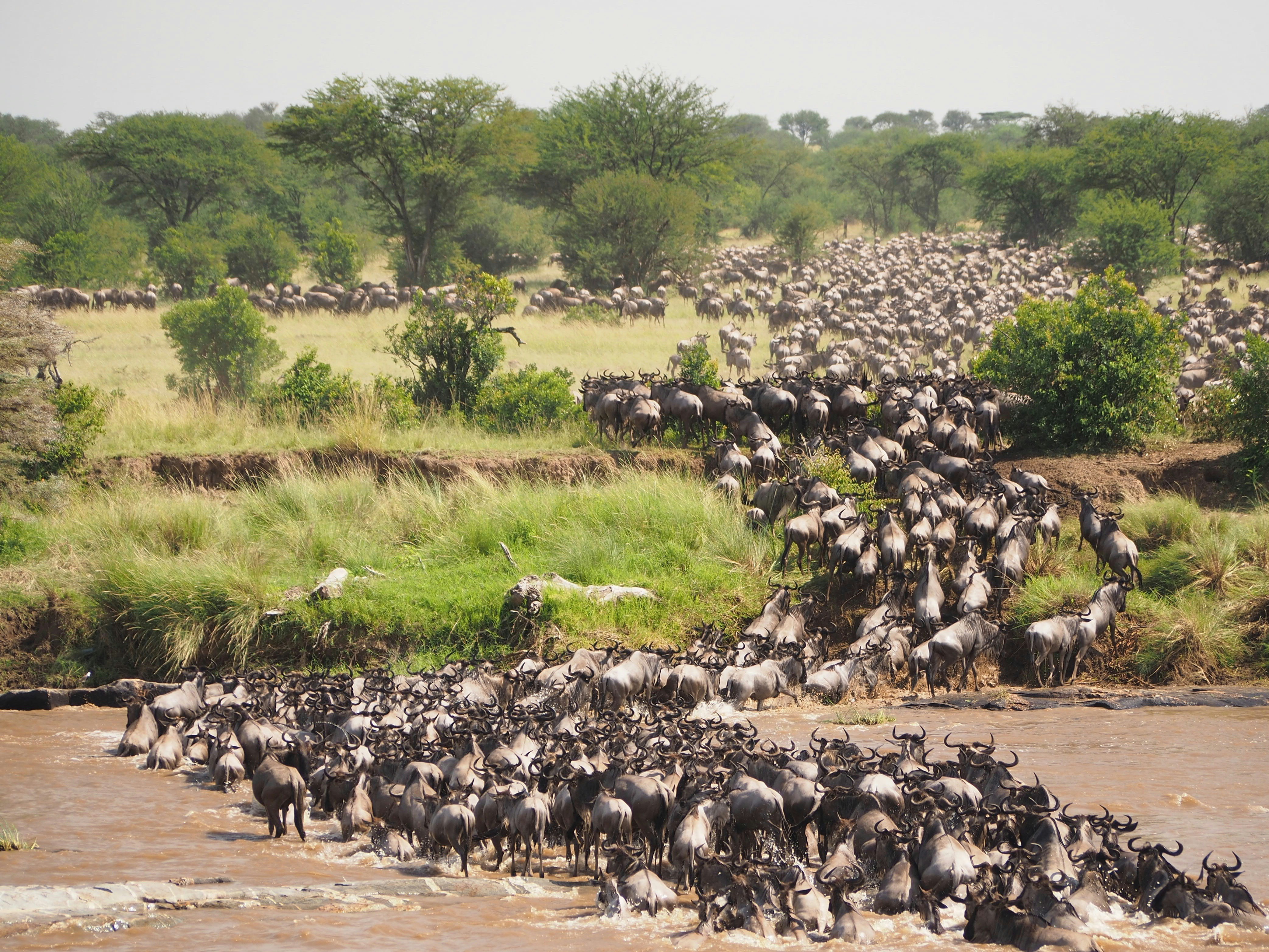
The broadest cross-border route we offer, taking in six parks across both countries. It suits a first visit to East Africa where the priority is seeing as much of the region’s variety as possible in a single, well-organised trip.
What you're likely to see
Wildlife is wild and nothing is guaranteed, but these are the species this route is built around.
The Route
The Detail
Everything below is set out plainly so there are no surprises when you receive your quotation.
Nairobi
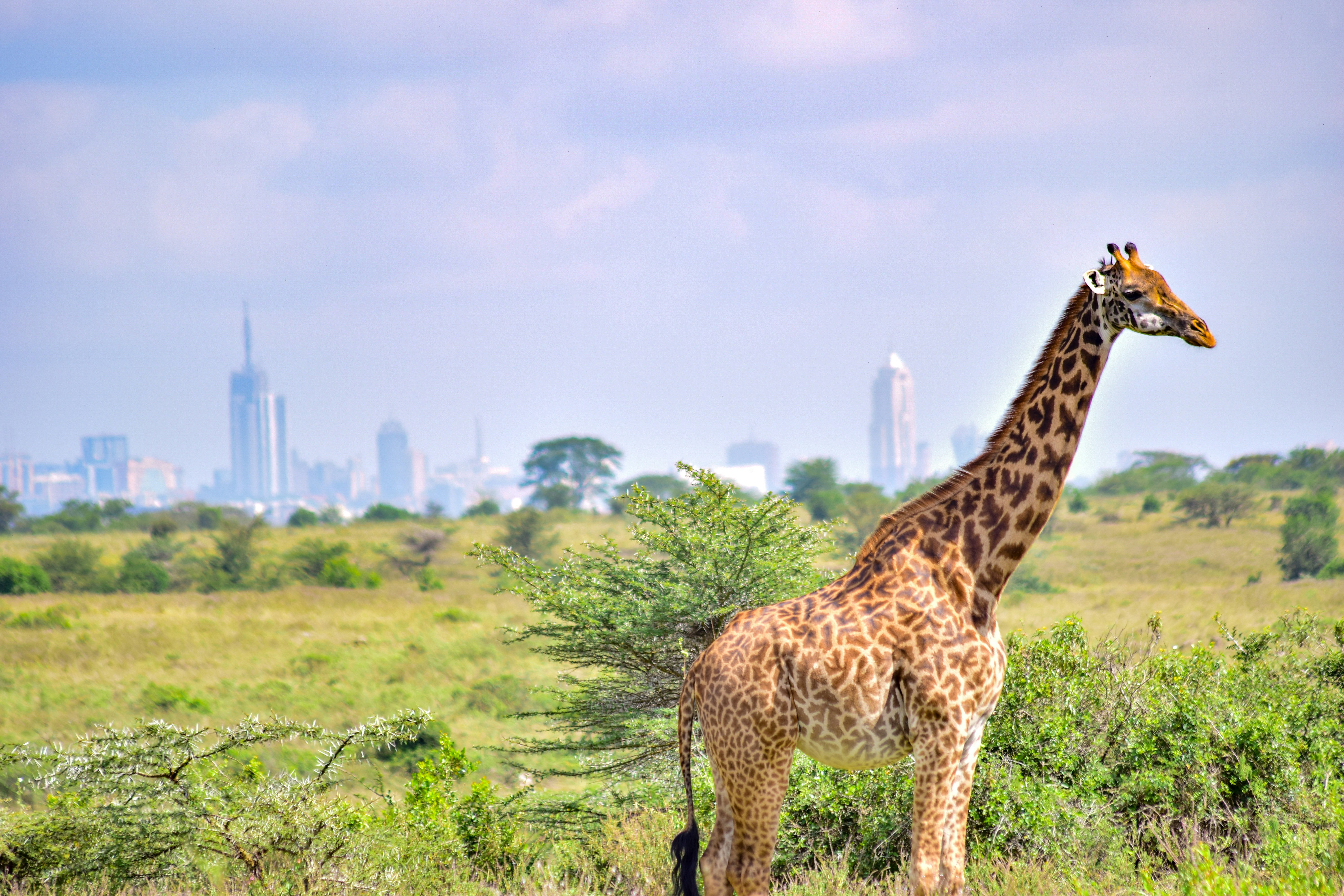
You'll land at Jomo Kenyatta International Airport, where your driver-guide meets you for the short transfer to the Ole Sereni Hotel, set on the edge of Nairobi National Park. Depending on your arrival time, you may see zebra or giraffe grazing on the park's open plains from the hotel grounds, an unexpected first taste of Kenya's wildlife before you have even left the city.
The rest of the day is free to rest after your flight. Your guide will join you for a short briefing on the days ahead, covering the route, border crossing and what to pack for early morning game drives. Dinner and overnight are at the hotel.

Maasai Mara
After breakfast you'll leave Nairobi and head west, dropping through the Great Rift Valley escarpment where the road offers wide views over the valley floor before climbing again towards Narok. The drive to the Maasai Mara takes around five to six hours, much of it on tarmac before the last stretch of dirt track into the reserve.
You'll arrive at Mara Sopa Lodge in time for lunch, followed by an afternoon game drive as the light softens and animals become more active. This first outing usually turns up plains game such as zebra, topi and Thomson's gazelle, with a good chance of spotting lion or elephant near the lodge's private conservancy land. Dinner and overnight at Mara Sopa Lodge.

Maasai Mara
You'll set out early, while the air is still cool and predators are most likely to be moving, for a full morning game drive across the Mara's open grassland. Your guide will head towards the Mara River, where hippo pods rest in the deeper bends and, depending on the season, wildebeest and zebra herds gather along the banks. Breakfast is packed, and you'll return to the lodge for a late lunch.
In the afternoon a second drive covers different ground, often towards the Ololoolo Escarpment or the reserve's central plains, where lion prides and cheetah are regularly seen resting up in the shade. The changing light through late afternoon makes this a good time for photography. Dinner and overnight at Mara Sopa Lodge.

Lake Nakuru
Leaving the Mara after breakfast, you'll drive roughly four to five hours east towards Lake Nakuru, climbing back onto the floor of the Rift Valley as the terrain shifts from open savanna to greener, more wooded country. The lake itself sits at around 1,760 metres, ringed by acacia woodland and dramatic escarpments.
After checking in to Lake Nakuru Sopa Lodge, you'll head out on an afternoon game drive. Lake Nakuru National Park is a designated rhino sanctuary, and both black and white rhino are regularly seen grazing near the shoreline. The lake also draws large flocks of flamingo and pelican, while Rothschild's giraffe and buffalo are common in the surrounding bush. Dinner and overnight at Lake Nakuru Sopa Lodge.

Amboseli
This is a long transfer day, covering close to eight hours as you drive back past Nairobi and south towards the Tanzanian border region, with the profile of Mount Kilimanjaro gradually filling the horizon as you approach Amboseli. Stops are built in along the way for lunch and to stretch your legs.
You'll arrive at Amboseli Sopa Lodge in the late afternoon, with enough daylight left for a short game drive if time allows, taking in the swamps and open plains that give Amboseli its reputation for close elephant sightings, often with Kilimanjaro's snow-capped peak as a backdrop when cloud cover allows. Dinner and overnight at Amboseli Sopa Lodge.
Tarangire
After an early breakfast you'll cross into Tanzania at the Namanga border post, a straightforward but sometimes slow process, so your guide will handle the paperwork while you stretch your legs. From there the drive continues south through Maasai grazing land towards Tarangire National Park.
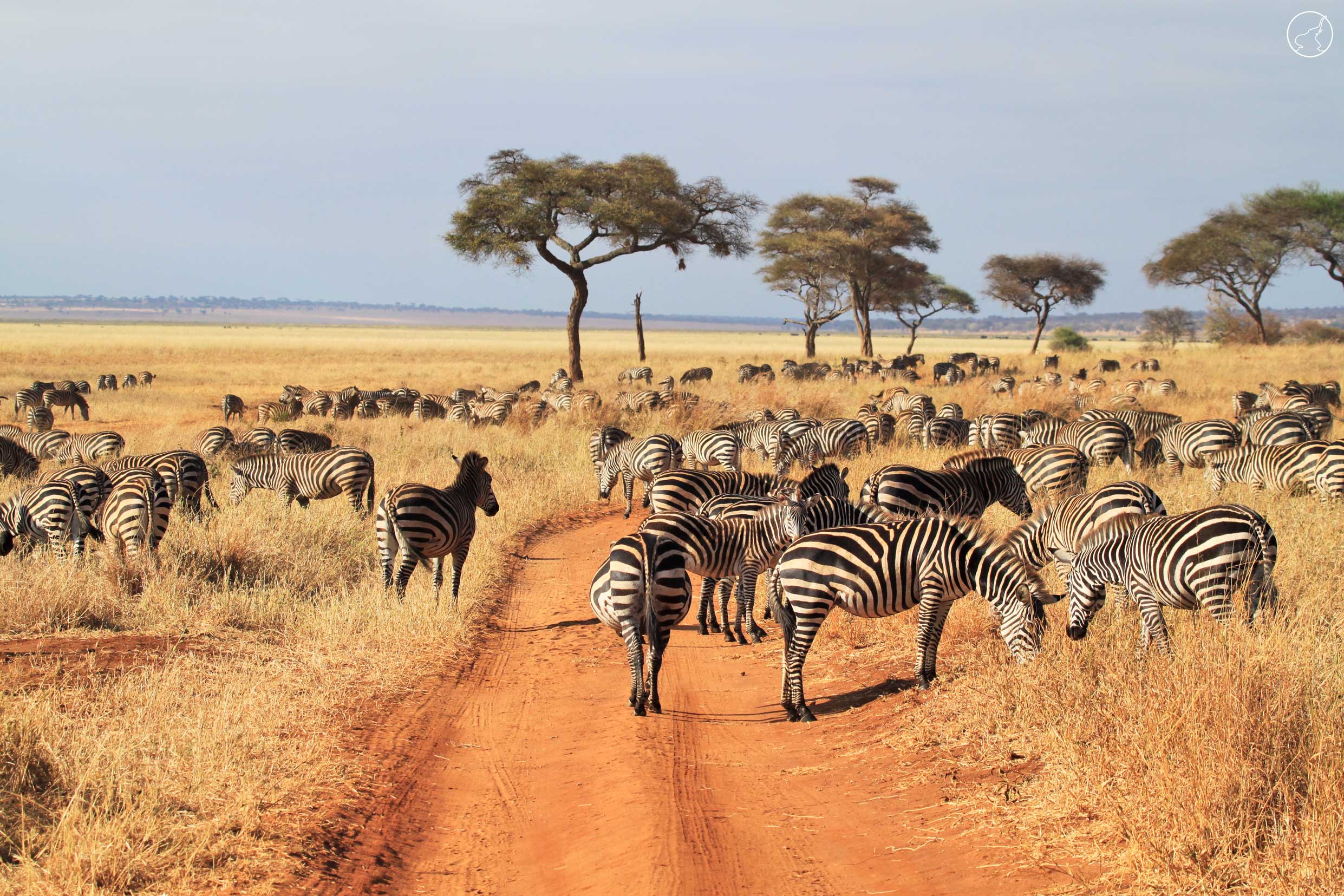
You'll reach Tarangire Safari Lodge by mid to late afternoon, in time for a game drive along the Tarangire River. The park is known for its ancient baobab trees and for elephant herds that gather here in large numbers, particularly in the dry season, along with dense populations of impala, waterbuck and, if you are fortunate, lion resting in the riverine shade. Dinner and overnight at Tarangire Safari Lodge.

Serengeti
You'll leave Tarangire after breakfast and drive north and west, passing through Manyara and up onto the highland road that skirts the Ngorongoro Conservation Area before dropping onto the Serengeti plains. The full drive takes around five to six hours, with a picnic lunch stop along the way.
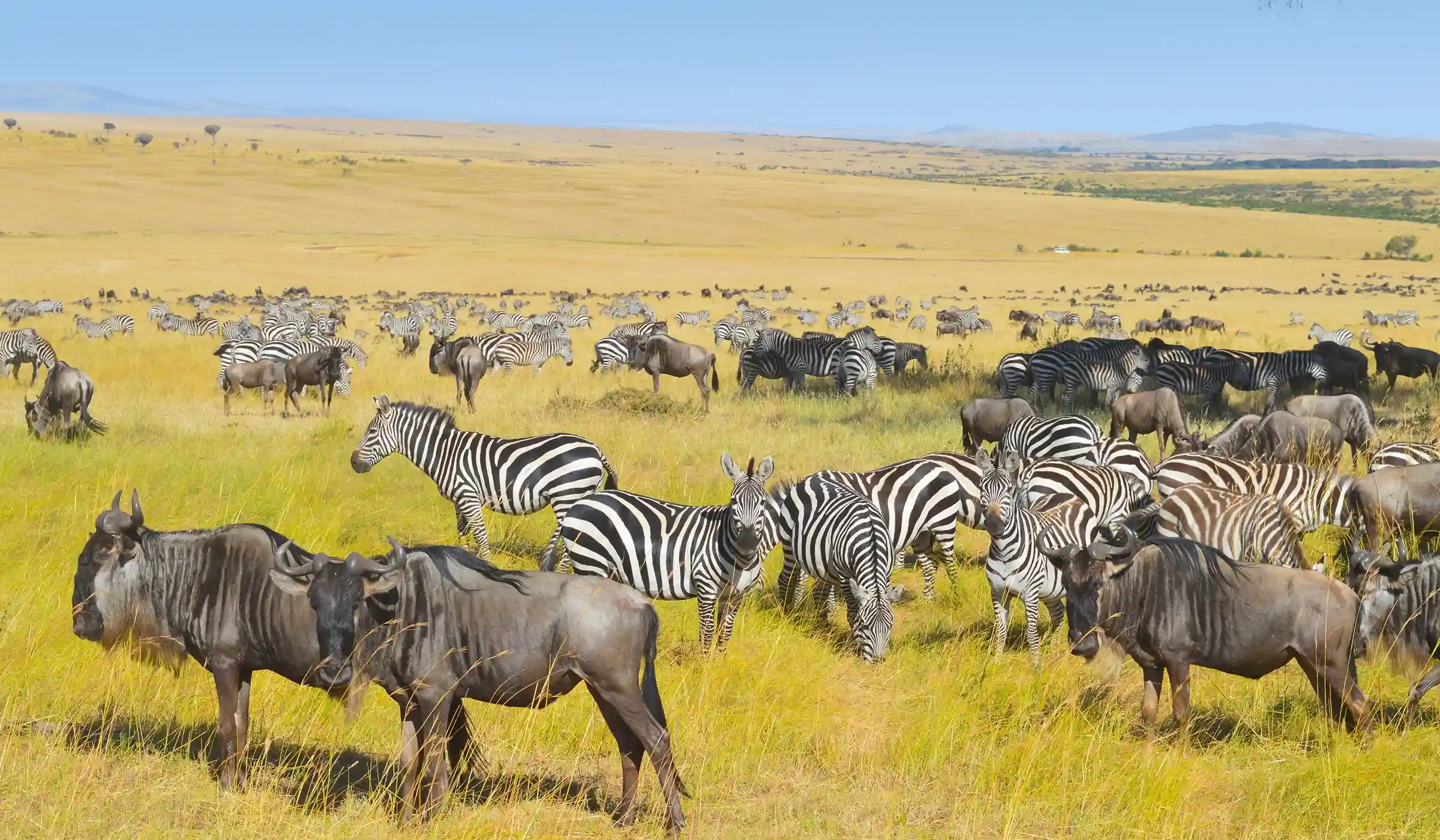
As you enter the Serengeti's eastern boundary the landscape opens into the short-grass plains the park is known for, and you'll go straight into a game drive en route to Serengeti Serena, watching for cheetah on open ground and the large herds of wildebeest and zebra that move across this part of the ecosystem for much of the year. Dinner and overnight at Serengeti Serena.
Serengeti
With a full day to explore, you'll head out after an early breakfast for a morning game drive across the Serengeti's central Seronera region, an area known for resident lion prides and good numbers of leopard along the riverine forest. Your guide will read tracks and radio updates from other vehicles to decide which direction offers the best chances.
After a midday break back at the lodge, the afternoon drive covers different terrain, often towards more open plains where cheetah hunt and large mixed herds of wildebeest, zebra and gazelle graze depending on the time of year. The soft evening light over the grassland is one of the best times of day for photographs. Dinner and overnight at Serengeti Serena.

Ngorongoro
You'll depart the Serengeti mid-morning after a final game drive, working your way south and east along roads that climb steadily towards the Ngorongoro highlands. The change in scenery is immediate, as flat plains give way to volcanic hills covered in montane forest.
You'll arrive at Ngorongoro Sopa Lodge by early afternoon, perched on the crater rim at around 2,200 metres with views down into the caldera below. The remainder of the day is free to rest, with the lodge grounds themselves visited by buffalo and the occasional elephant. Your guide will brief you on the following day's early start for the crater descent. Dinner and overnight at Ngorongoro Sopa Lodge.
Arusha
You'll leave the lodge early for the steep descent into the Ngorongoro Crater, reaching the floor as the morning mist begins to clear. The crater's compact size, roughly 260 square kilometres, concentrates wildlife around its central lake and swamps, and this is one of the more reliable places in East Africa to see black rhino alongside lion, elephant, hippo and dense herds of buffalo and wildebeest.
After several hours on the crater floor you'll climb back up the rim road for a late lunch, then continue the drive to Arusha, arriving by early evening. This is where your Tanzania safari concludes, with a transfer to Kilimanjaro International Airport or your onward accommodation.
Accommodation Options
Drag or swipe to see every lodge
Dates, lodge upgrades, and extra nights are all flexible this is the starting itinerary, not the only one. Tell us roughly when you'd like to travel and we'll confirm availability within a day.
Gallery