Kenya or Tanzania: Which Should You Choose for a First Safari?
They share the same ecosystem
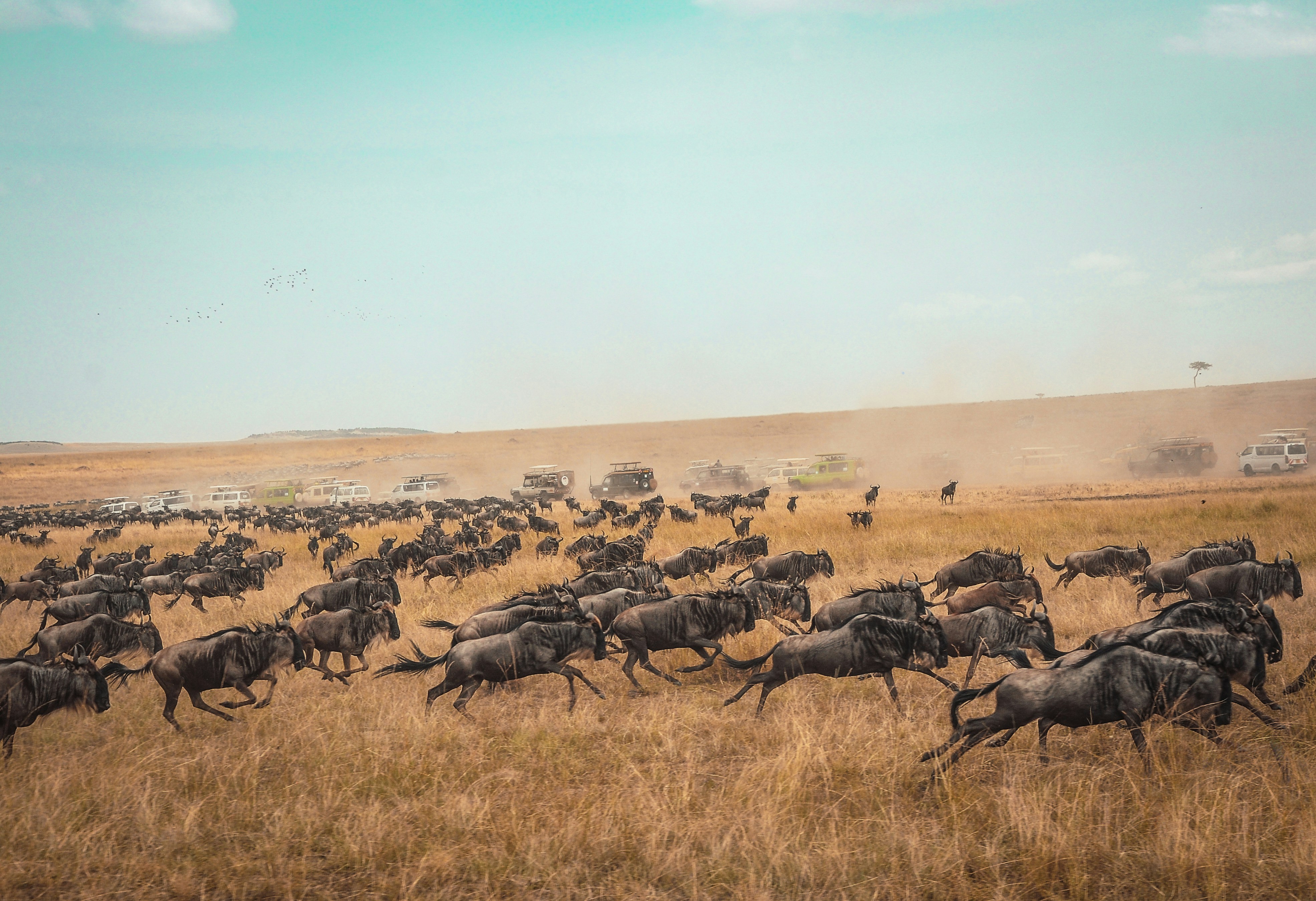
The Maasai Mara and the Serengeti are one continuous grassland split by an international border. The same wildebeest migration moves between them. So the honest starting point is that neither country has better wildlife than the other, because in large part it is the same wildlife.
Where they genuinely differ
Cost
Kenya is usually cheaper for a comparable trip. Park fees are lower in most reserves, the road network is better so you can drive rather than fly, and there is more competition at the mid-range. Tanzania carries higher park and conservation fees, and the distances often push you towards internal flights.
Scale and crowds
The Serengeti is far larger, so at the same time of year it can feel emptier, even though total visitor numbers are similar. The Mara is more compact, which means sightings come faster but are more often shared. If solitude matters, the Serengeti or Kenya’s private conservancies are the answer.
Scenery
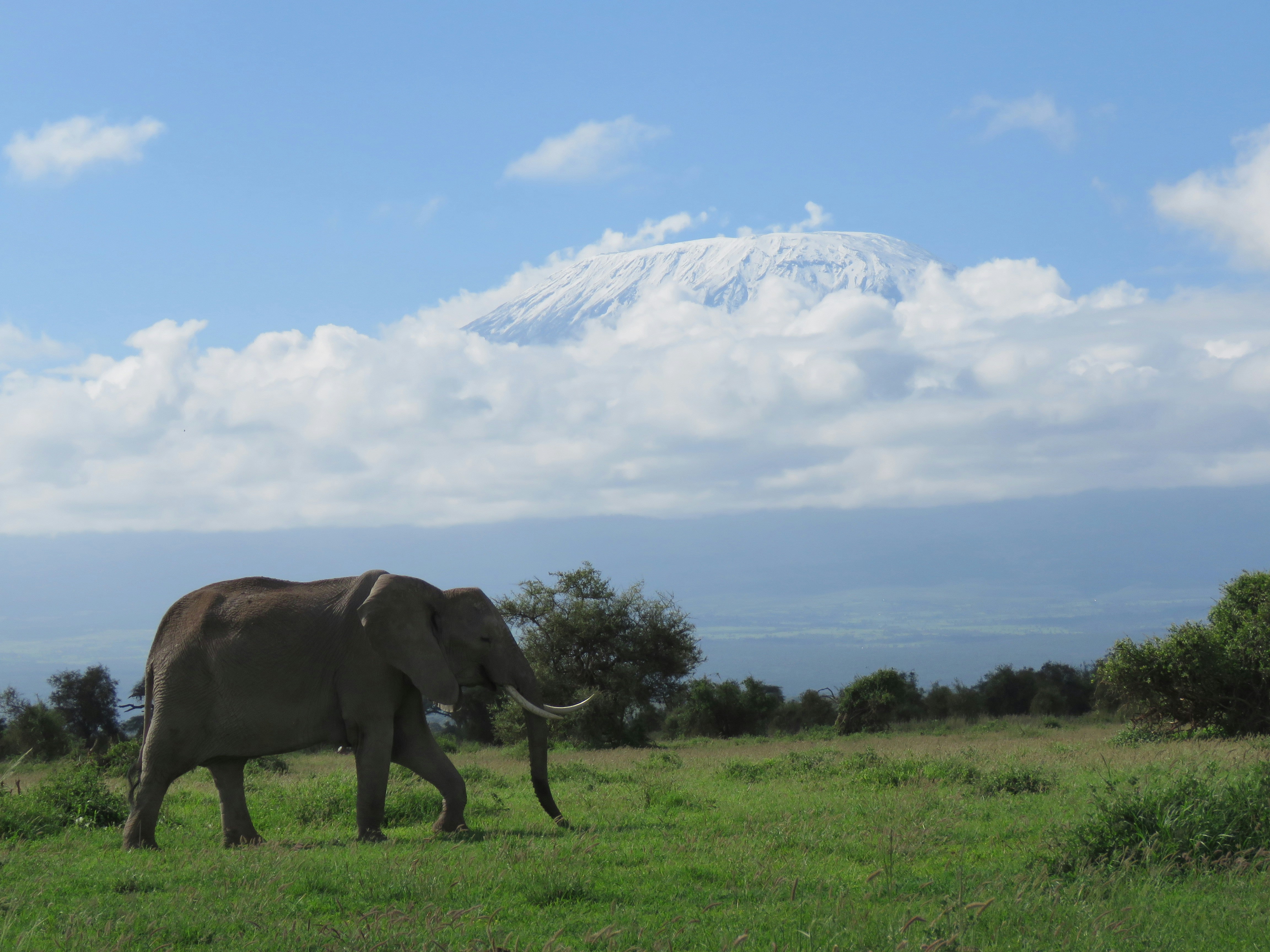
Tanzania has the Ngorongoro Crater, which has no equivalent anywhere, and Kilimanjaro. Kenya has more variety within short distances: the Rift Valley lakes, the dry northern reserves of Samburu, Amboseli beneath Kilimanjaro, and a coastline you can reach in an hour.
Logistics
Kenya is easier for a first trip. Nairobi is well connected, drives between parks are manageable, and Nairobi National Park means you can see rhino on a morning before a flight. Tanzania usually starts in Arusha and leans more on internal flights.
Which we would suggest
- First safari, moderate budget, want variety: Kenya.
- Migration is the whole point: either, but follow the calendar. July to October favours the Mara; January to February favours the southern Serengeti.
- Want the single most dramatic landscape: Tanzania, for the crater.
- Safari plus beach: Tanzania for Zanzibar, Kenya for Diani at lower cost.
- Have two weeks: do both. Crossing from the Mara into the Serengeti is the best of the lot.