The Great Migration Explained: Where the Herds Are, Month by Month
It is a circuit, not a journey
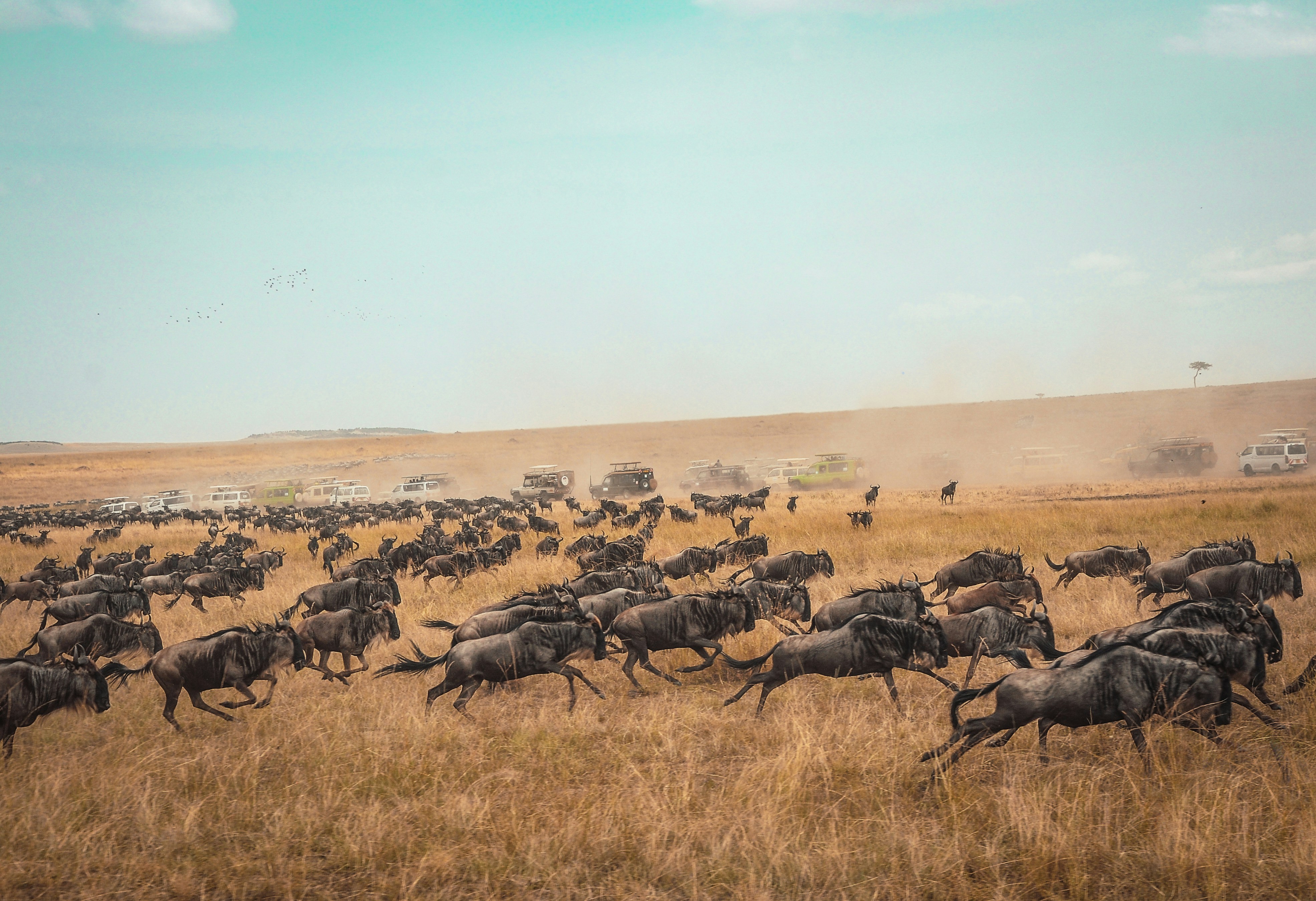
Close to two million wildebeest, with several hundred thousand zebra and gazelle, move in a continuous loop through the Serengeti and Maasai Mara, following rainfall and fresh grass. There is no start and no finish. Which means there is no single right month, only the right month for what you want to see.
Month by month, approximately
December to March: the southern plains
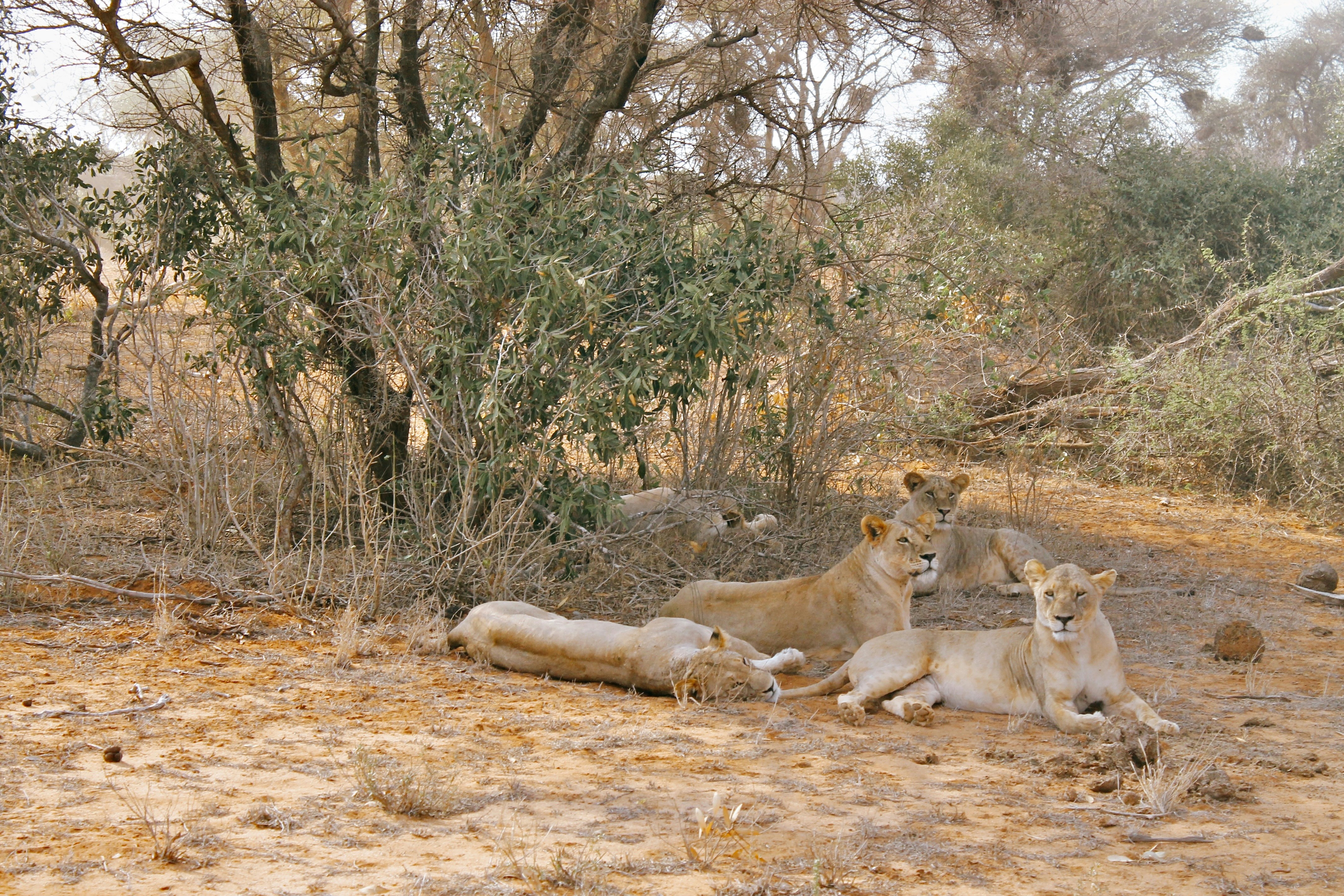
The herds are spread across the short-grass plains of the southern Serengeti and the Ndutu area. Late January into February is calving: around 400,000 calves born inside a few weeks. Predator activity is at its most concentrated of the entire year. If you want to witness the drama of the migration without the crowds of the crossings, this is the window most people overlook.
April to May: moving north-west
The long rains. The herds begin drifting north-west through the central Serengeti. Wet, quiet, cheap, and harder going underfoot.
June: the western corridor
The herds concentrate along the Grumeti River. The first serious river crossings of the year happen here, and see far fewer vehicles than the Mara River crossings later on.
July to August: the Mara River
The famous season. Herds reach the Mara River and begin crossing into Kenya. Both the northern Serengeti and the Maasai Mara work; the northern Serengeti is quieter, the Mara more accessible.
September to October: the Maasai Mara
The herds are largely in Kenya, grazing the Mara and recrossing the river repeatedly. October brings the start of the return south.
November: heading south
The short rains draw the herds back down through the eastern Serengeti. A transitional month, and good value.
Three things worth knowing
- The dates move. The migration follows rain, not a calendar. A dry year shifts everything by weeks. Any itinerary claiming a precise crossing date is guessing.
- A crossing is never guaranteed. Herds mass on the bank and may not commit for days. Build in more than one day at the river if this is your priority.
- The calving season is underrated. Cheaper, quieter and arguably more consistently dramatic than the crossings, because the predators do not have to go looking.