6-Day Tsavo East, Tsavo West and Taita HillsDay 1 of 6
Kenya · Tailor-Made Safari
6-Day Tsavo East, Tsavo West and Taita Hills
6 Days / 5 NightsTsavo East National Park, Tsavo West National Park, Taita HillsPrivate and Tailor-Made
A journey through Tsavo, one of the largest protected areas in the world, taking in both the open red-earth plains of Tsavo East and the volcanic, more densely vegetated country…
A journey through Tsavo, one of the largest protected areas in the world, taking in both the open red-earth plains of Tsavo East and the volcanic, more densely vegetated country of Tsavo West. It is a route for travellers who value space and solitude over the busier reserves.
CountriesKenya
ParksTsavo East National Park, Tsavo West National Park, Taita Hills
Duration6 Days / 5 Nights
StylePrivate and Tailor-Made
Best MonthsJun-Oct, Jan-Feb
FromFrom $1,620 per person
What you're likely to see
Red elephants
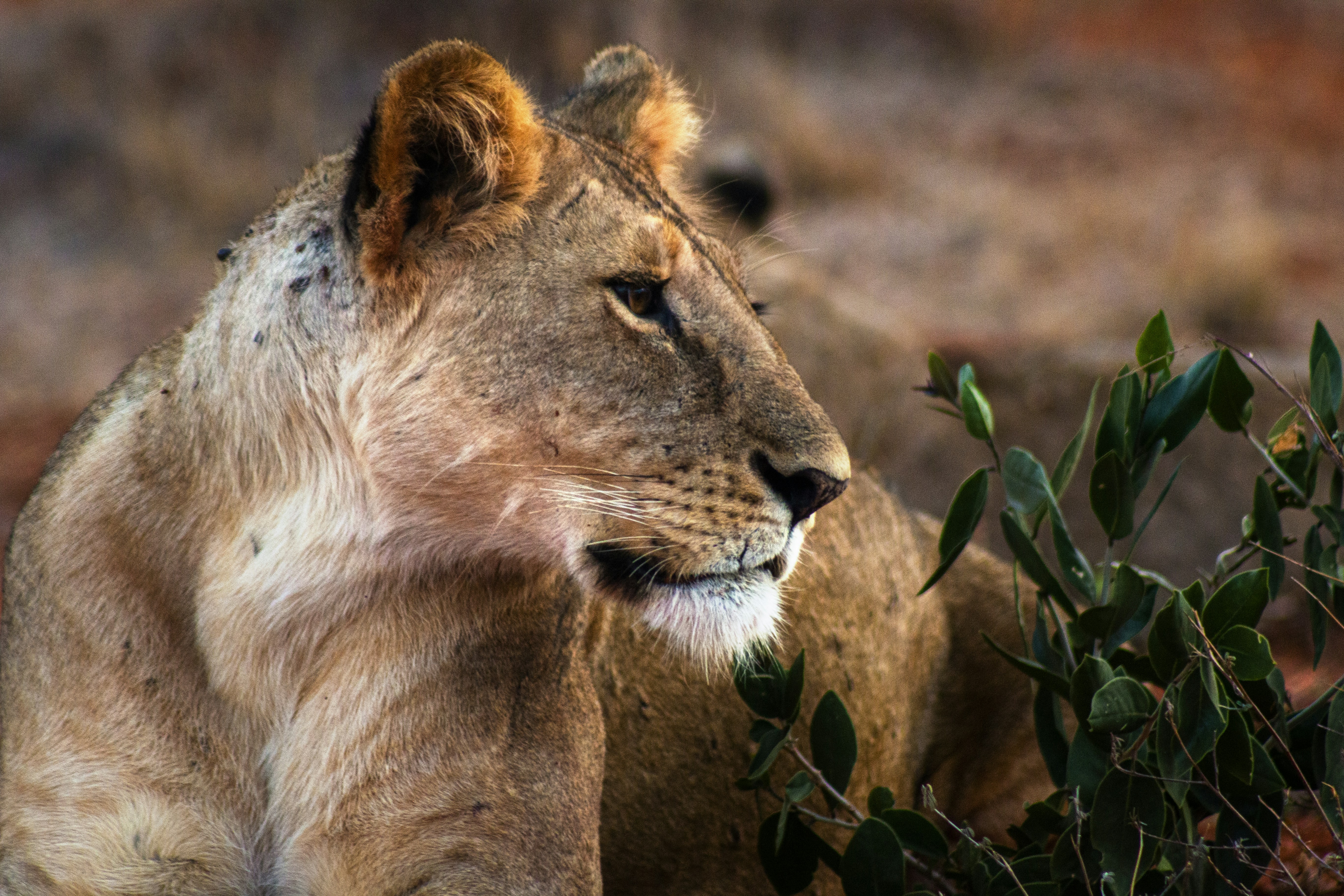
Lion
Large buffalo herds
Elephant
Rhino
Hippo at Mzima Springs
Buffalo at floodlit waterholes
Wildlife is wild and nothing is guaranteed, but these are the species this route is built around.
The Route
Where This Trip Takes You
The Detail
What's included, and what isn't
Everything below is set out plainly so there are no surprises when you receive your quotation.
What's Included
All game drives in a private 4x4 vehicle with pop-up roof
Services of a professional English-speaking driver-guide
All park and reserve entrance fees
Accommodation as specified in the itinerary
Meals as specified in the day by day itinerary
Bottled drinking water throughout the safari
Airport or hotel transfers on arrival and departure
All government taxes and levies
Not Included
International and domestic flights
Kenya or Tanzania visa fees
Travel and medical insurance
Tips and gratuities for your driver-guide and lodge staff
Alcoholic and premium beverages
Optional activities such as hot air balloon safaris and cultural visits
Laundry, telephone and other personal expenses
Day01of 06
Tsavo East
Nairobi to Tsavo East
You'll leave Nairobi after breakfast for the drive south, roughly four to five hours on the Mombasa highway before turning off towards the Voi gate of Tsavo East. The landscape changes as you go, Nairobi's highlands giving way to dry acacia scrub and the wide red-earth plains the park is known for, the colour coming from the volcanic soil that dusts the elephants here a distinctive rust red.
After lunch at Satao Camp, set among tamarind trees overlooking a waterhole, you'll head out on an afternoon game drive. Tsavo East's flat, open terrain makes for long sightlines, good for picking out elephant herds, giraffe and the plains game that gathers as the light softens towards evening, before returning to camp for dinner.
Day02of 06
Tsavo East
A Full Day in Tsavo East
An early start gets you out while the air is still cool, heading towards the Galana River, the lifeline of this stretch of Tsavo East. Crocodiles and hippo hold the deeper pools, and the riverine vegetation draws in game that the surrounding scrubland cannot support, a contrast worth noting against yesterday's dry plains. Your guide will likely route you towards Lugard Falls, a set of rock rapids and narrow gorges cut into the river rather than a true waterfall, one of the park's few dramatic geological features.
You'll return to camp for lunch and rest through the heat of the afternoon, then go out again in the late afternoon towards the Aruba Dam area, where elephant, buffalo and waterbuck concentrate as the day cools, before heading back for a second night at Ashnil Aruba.
Day03of 06
Tsavo West
Tsavo East to Tsavo West
After a final early drive in Tsavo East, you'll cross south towards Tsavo West through the Mtito Andei gate, a transfer of around two to three hours depending on stops. The character of the park changes noticeably once inside, the flat red plains replaced by volcanic hills, denser bush and the black rock of old lava flows, a landscape shaped by the Chyulu Hills eruptions.
Your first stop inside Tsavo West is usually Mzima Springs, where clear water filtered through volcanic rock feeds a series of pools. An underwater viewing chamber here lets you watch hippo and fish at close range, one of the few places in Kenya where this is possible. You'll continue on to Kilaguni Serena Lodge in the afternoon, arriving in time to settle in before a game drive or an evening at the lodge's waterhole.
Day04of 06
Tsavo West
A Full Day in Tsavo West
You'll spend the morning exploring Tsavo West's more varied terrain, heading towards the Shetani lava flow, a stretch of black volcanic rock left by an eruption estimated at under 200 years old, still largely bare of vegetation and striking against the surrounding bush. From here the drive continues towards the Ngulia Hills, where black rhino are protected within a fenced sanctuary, one of the few areas in Kenya where sightings are a realistic possibility.
After lunch back at Kilaguni Serena, with its clear view towards Kilimanjaro on cloud-free days, you'll head out again in the afternoon towards Poachers Lookout, a rocky viewpoint giving a wide outlook over the park's mixed woodland and volcanic hills, a good spot to take in the terrain before the light fades.
Day05of 06
Taita Hills
Tsavo West to the Taita Hills
You'll leave Tsavo West after breakfast for the drive south towards the Taita Hills, a rise of forested granite hills that break up the surrounding dry plains, roughly two hours from Kilaguni depending on road conditions. The change in elevation and vegetation is immediate, the hills catching moisture that the lowlands around Tsavo miss, supporting patches of indigenous forest found nowhere else in this itinerary.
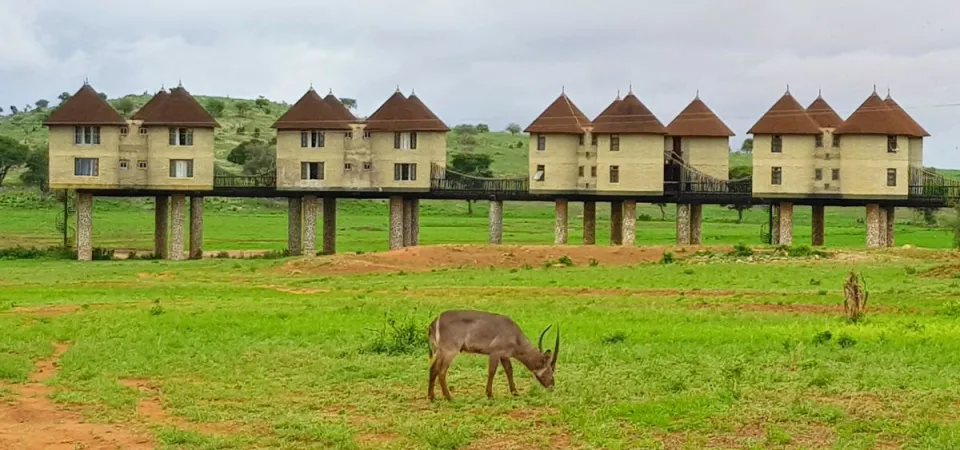
On arrival at Salt Lick, built on stilts around a floodlit waterhole, you'll have lunch and time to settle in before an afternoon game drive across the surrounding Taita Hills Wildlife Sanctuary, where elephant, buffalo and a range of plains game move through open grassland bordered by the hills. Evenings here are often spent watching the waterhole directly from your room's private balcony as animals come in to drink after dark.
Day06of 06
Nairobi
Taita Hills to Nairobi
You'll have one more early outing around the Taita Hills sanctuary before breakfast, a last chance to watch the waterhole activity in the cool morning light, when animals often linger before the heat sets in. Afterwards you'll pack up and begin the return journey towards Nairobi, either by road, a drive of around six hours depending on traffic through Voi and Mtito Andei, or by a scheduled flight if that has been arranged, cutting the transfer to under an hour in the air.
The drive back retraces much of the route taken on day one, giving a last look at the dry Tsavo scrubland before the land rises back towards Nairobi's higher, greener plateau. You'll be dropped at your hotel or the airport in time for onward travel that evening.
Accommodation Options
Where You'll Stay
Drag or swipe to see every lodge
That's the route
Ready to make it yours?
Dates, lodge upgrades, and extra nights are all flexible this is the starting itinerary, not the only one. Tell us roughly when you'd like to travel and we'll confirm availability within a day.